Affordable Sea Shipping Price Solution Provider: A Logistics Cost-Saving Guide
Oct 13, 2026
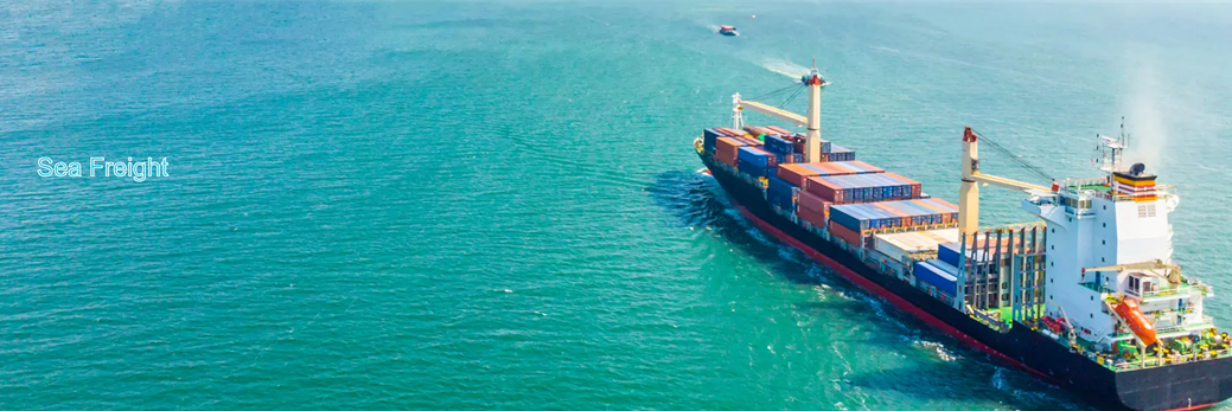
Shenzhen, Guangdong Oct 12, 2026 (Issuewire.com) - How do international trading enterprises and ocean freight importers effectively prevent unexpected destination surcharges from eroding total commercial profit margins during maritime transit? Mid-sized import-export businesses frequently discover that securing low base ocean freight rates fails to guarantee low cumulative logistics expenditure upon final delivery. Secondary operational expenses, including Terminal Handling Charges (THC) at foreign destination ports, Automated Manifest System (AMS) regulatory filings, Importer Security Filing (ISF) documentation compliance, and localized container drayage fees, systematically alter calculated bottom-line figures. Evaluating international transport costs requires examining the total landed expense rather than relying exclusively on port-to-port vessel quotes. As a specialized affordable sea shipping price solution provider (https://www.senghorshipping.com/sea-freight/), Shenzhen Senghor Sea & Air Logistics Co., Ltd. addresses structural maritime freight expenditures by clarifying comprehensive end-to-end billing components prior to cargo departure. Structural Freight Challenges in Global Maritime Logistics Navigating international supply chains presents complex cost structures that extend far beyond initial ocean freight quotes. Importers regularly encounter variance between estimated transport budgets and actual landed costs due to unintegrated shipping practices. Small and medium-sized enterprises sourcing products across multiple manufacturing locations frequently face compounded origin fees, duplicated documentation charges, and inefficient container space utilization. When cargo volume fluctuates, selecting inappropriate shipping models creates unnecessary financial friction. Partial container shipments often incur administrative surcharges that inflate individual unit costs. Furthermore, volatile spot market rates expose international buyers to sudden seasonal price hikes, congestion surcharges, and container space shortages. Managing these variable elements requires a structured approach to logistics planning, clear contract terms, and consolidated supply chain management to maintain predictable transport budgets. Four-Step Framework for Ocean Freight Cost Reduction Controlling international maritime transport expenses requires systematic operational planning across every segment of the supply chain. Global trade partners achieve verifiable savings by matching volume parameters, consolidating regional supplier shipments, negotiating long-term carrier contracts, and fixing landed terms prior to vessel departure. 1. Cargo Volume Optimization and Container Matching Selecting between Less than Container Load (LCL) and Full Container Load (FCL) transport directly governs unit maritime shipping expenses. LCL shipping offers flexible access for initial market trial orders starting at 1 cubic meter (CBM). However, as cargo volume approaches 15 CBM, the accumulated handling charges, origin consolidation fees, and destination port processing costs of LCL shipments reach a critical price threshold. Converting total cargo volume to a standard 20-foot General Purpose (20GP) container at 20 CBM significantly lowers the calculated unit sea shipping price. Senghor Logistics analyzes shipment dimensions during early staging, helping clients calculate exact volumetric turning points where transitioning from LCL to FCL optimizes total shipping expenditure. Choosing an experienced sea shipping price solution provider allows importers to restructure container space efficiently and minimize per-unit freight charges. 2. Consolidated Warehousing and Multi-Supplier Merging Sourcing commercial goods from multiple manufacturing facilities creates redundant administrative expenses, separate factory pickup charges, and repeated minimum billable thresholds. Regional consolidation solves this operational inefficiency by unifying partial shipments from distinct suppliers into single container loads. Operating local warehouses across major Chinese port hubs, Shenzhen Senghor Sea & Air Logistics Co., Ltd. receives incoming cargo directly from various production sites. Warehousing personnel inspect, tally, and merge these individual consignments into consolidated container shipments. This centralized process eliminates duplicate origin processing fees, streamlines export documentation, and reduces regional inland pickup overheads for overseas buyers. 3. Direct Carrier Contracts and Tiered Space Allocations Unpredictable ocean freight spot market fluctuations introduce significant budget volatility for global commercial importers. Long-term vessel service agreements help stabilize transportation costs across changing market cycles. Senghor Logistics maintains direct carrier service contracts with major ocean shipping lines, including OOCL, EMC, COSCO, and MATSON. These direct carrier agreements provide guaranteed vessel space allocations during peak shipping seasons while delivering rate reductions of 3% to 5% annually compared to standard spot market quotes. Utilizing fixed annual container contracts insulates international businesses from sudden capacity constraints and unexpected mid-season rate hikes. 4. Transparent Landed Terms and Pre-Set DDP/DDU Solutions Unanticipated destination port expenses represent a primary source of budget overruns in international trade operations. Selecting Delivered Duty Unpaid (DDU) or Delivered Duty Paid (DDP) door-to-door terms establishes comprehensive price clarity before cargo dispatch. Shenzhen Senghor Sea & Air Logistics Co., Ltd. incorporates destination customs clearance, import tariff assessments, port handling fees, and final truck drayage into single-source comprehensive quotations. Fixing all transportation parameters within an all-inclusive framework prevents unexpected secondary surcharges upon arrival and simplifies corporate accounting procedures. Working alongside a dedicated sea shipping price solution provider ensures complete transparency across every stage of destination delivery. Practical Implementation and Supply Chain Optimization Implementing a structured cost-reduction strategy requires combining multiple freight optimization levers into a unified operational workflow. Importers who align volume management with regional consolidation achieve greater control over shipping timelines and transport overheads. Integrating direct carrier contracts further stabilizes freight budgeting, enabling trade enterprises to plan long-term purchasing schedules without exposure to sudden market volatility. Transparent door-to-door terms eliminate financial ambiguity, allowing finance departments to calculate accurate landed costs for every product line. By systematically applying container volume matching, multi-supplier warehousing, carrier contract leverage, and clear DDP/DDU terms, businesses build resilient supply chain frameworks that support sustained commercial growth. Achieving Verifiable Supply Chain Efficiency Leveraging container volume optimization, multi-supplier cargo consolidation, long-term carrier contracts, and all-inclusive door-to-door terms gives importers structural control over maritime logistics expenses. Combining these operational mechanisms provides a reliable framework for maintaining stable end-to-end transport budgets. Importers seeking to evaluate current freight charges against optimized structures can request tailored shipment quotes from Senghor Logistics based on specific container volumes and cargo weight specifications. To learn more about tailored ocean freight strategies and service offerings, please visit https://www.senghorshipping.com/
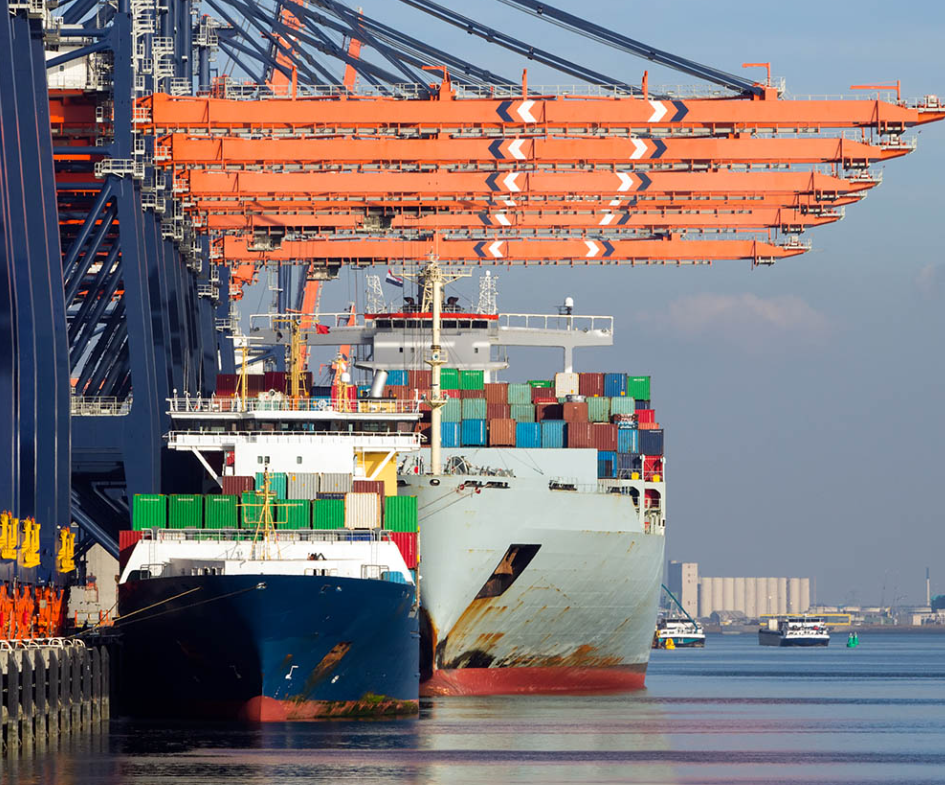
Source :Shenzhen Senghor Sea & Air Logistics Co., Ltd.
This article was originally published by IssueWire. Read the original article here.
More News












Recommended

YOUR NEWS, OUR NETWORK.
Do you have Great News you want to tell the world?
Be it updates about your business or your community, you can make sure that it’s heard by submitting your story to our network reaching hundreds of news sites across 6 verticals.