International China Cargo Consolidation Service Company: Top 5 Industry Benefits
Oct 13, 2026
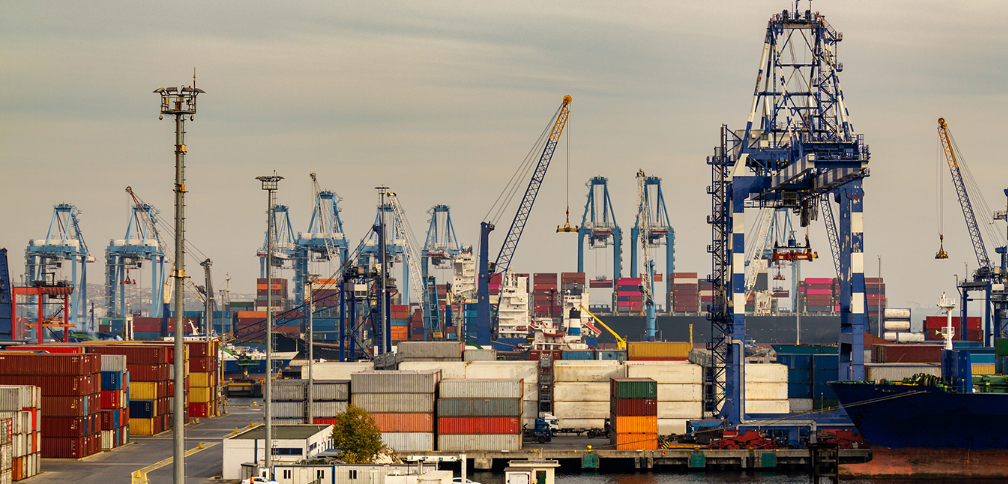
Shenzhen, Guangdong Oct 12, 2026 (Issuewire.com) - Structural Shift from Freight Intermediaries to Inventory Optimization International trade logistics relies on structural efficiency over point-to-point transport. Cargo consolidation is not merely basic LCL grouping by brokers. Managing logistics across multiple East Asian suppliers creates persistent challenges--fragmented production, inconsistent packaging, and redundant fees inflate total landed costs. A professional international China cargo consolidation service company serves as an active working capital and inventory optimization partner. Aggregating freight streams from diverse manufacturing sites near major ports restructures procurement operations and financial rhythms. Cross-border supply chains manage fragmented orders, varying production schedules, and complex compliance obligations. Purchasing across multi-supplier networks escalates unit transport costs, transit delays, and administrative overhead. Partnering with an experienced provider like Shenzhen Senghor Sea & Air Logistics Co., Ltd. transforms disparate smaller shipments into unified cargo flows. Practical workflows show how structured consolidation delivers five tangible operational benefits for global buyers sourcing from China. Operational Advantage 1: Strategic Cost Optimization Through Threshold Elimination A primary driver of inflated shipping costs in cross-border trade is the minimal billable weight applied to Less than Container Load (LCL) shipments. Procuring small product batches from diverse manufacturing partners creates financial inefficiency for independent LCL shipments. Ocean carriers and terminal operators apply minimum billable weight and volume thresholds, typically charging for a minimum of one cubic meter or one ton regardless of actual cargo dimensions. When an importer receives five separate small shipments from five different suppliers, each individual lot incurs standalone handling fees, documentation costs, and minimum freight thresholds. Consolidating these distinct shipments at origin alters the underlying cost structure. A specialized China cargo consolidation service (https://www.senghorshipping.com/consolidationwarehouse/) gathers smaller consignments from multiple manufacturing facilities into a central warehouse facility. Once cargo is collected, inspected, and documented, freight combines into a master bill of lading or integrates into a full container load. This structural aggregation eliminates redundant minimum billable threshold charges. Instead of paying multiple origin baseline fees, importers cover a single consolidated origin handling fee while unlocking volume-based transport rates starting from 1 CBM. Over multiple cycles, Senghor Logistics helps buyers capture freight savings by converting fragmented order expenses into scalable volume pricing. Operational Advantage 2: Lowering Inspection Probabilities via Statistical Streamlining Customs risk management systems operate on probabilistic algorithms, targeting shipments for detailed audits, physical scans, or manual inspections based on declared origin, commodity codes, and entity profiles. Executing multiple LCL shipments from distinct suppliers causes each bill of lading to enter customs clearing as an independent compliance event. Subjecting ten individual shipments from ten different suppliers to separate border entry declarations creates distinct exposure points, multiplying the statistical likelihood that at least one consignment experiences administrative holds or physical examination delays.
Streamlining this process through an international China cargo consolidation service mitigates cumulative inspection risks through administrative aggregation. Consolidating multiple factory outputs into a single master entry under one primary bill of lading reduces independent customs submissions. Statistically, the entire consolidated consignment faces the risk profile of a single entry rather than the compounded probability of multiple loose shipments. Shenzhen Senghor Sea & Air Logistics Co., Ltd. leverages structured documentation procedures and pre-clearance verification at origin warehouses to ensure full tariff compliance. Systematic entry consolidation minimizes storage surcharges and stabilizes destination delivery schedules. Operational Advantage 3: Mitigating Upstream Supply Chain Volatility Manufacturing ecosystems rarely operate in perfect temporal alignment. Factory production schedules experience routine disruptions due to raw material lead times, component shortages, labor realignments, or localized power constraints. When importers attempt to coordinate strict multi-supplier shipping schedules without origin storage buffers, a single delayed supplier can destabilize downstream vessel bookings, leading to missed carrier cut-offs or expensive emergency air freight interventions. Origin-based consolidation hubs serve as physical buffers that absorb upstream production variability. Professional facilities operated by Senghor Logistics provide structured short-term storage windows at origin ports including Yantian, Ningbo, Shanghai, and Qingdao. Goods arriving early from punctual manufacturers are securely stowed and staged in specialized warehousing space while delayed orders finish production. Once all scheduled components arrive, technicians execute final container packing and dispatch the unified consignment on pre-booked vessel sailings. By absorbing manufacturing timing variances at origin, an international China cargo consolidation service protects downstream inventory schedules without forfeiting early-ready cargo. Operational Advantage 4: Standardizing Packaging Quality and Reducing Transit Claims Factory packaging standards across regional industrial clusters exhibit considerable variability. Individual suppliers often prioritize internal cost constraints or domestic transit conditions, resulting in inconsistent carton bursting strengths, improper pallet stacking configurations, or vulnerable outer wrapping. When poorly packaged loose cargo travels through multiple LCL sorting hubs, exposure to repetitive mechanical handling and sea-container motion elevates physical cargo damage risks and subsequent insurance claims.
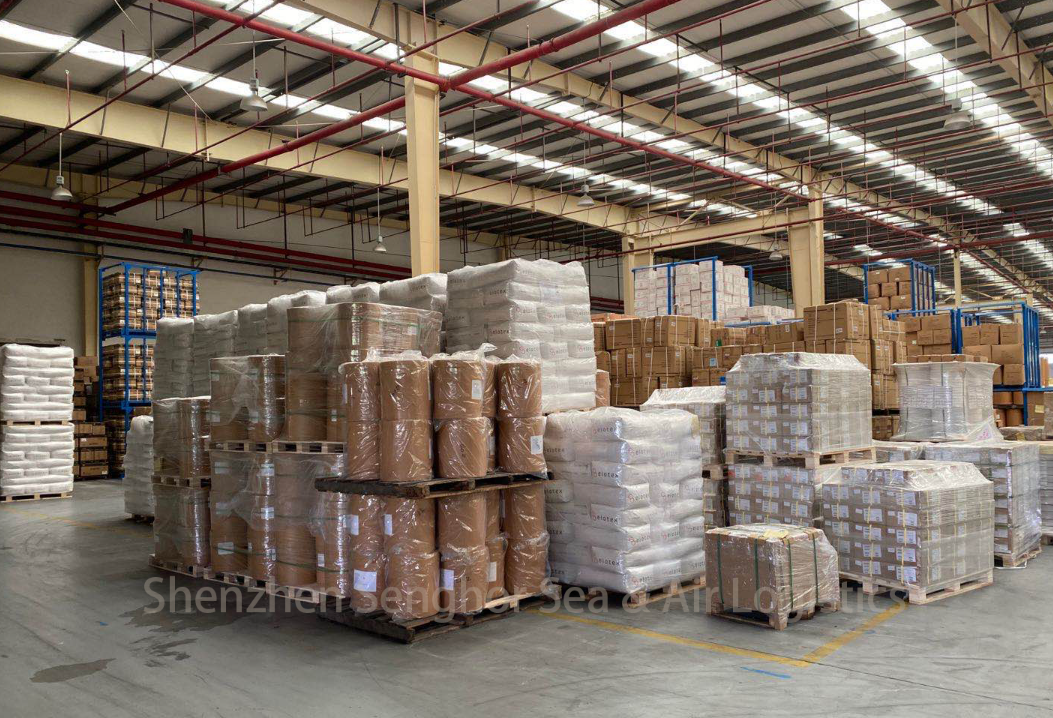
Cargo aggregation facilities address these packaging vulnerabilities before long-haul international transport occurs. Within a consolidated warehouse environment, trained personnel conduct physical inspections upon cargo receipt. Loose cartons undergo structural reinforcement, compromised outer packaging is replaced, and disparate cargo dimensions consolidate onto standard export pallets secured with stretch film and strapping. Shenzhen Senghor Sea & Air Logistics Co., Ltd. enforces uniform export packaging standards across all incoming supplier goods prior to container loading. Standardizing cargo units and optimizing weight distribution mitigates transit vibration and lowers product damage rates. Operational Advantage 5: Multi-Regional Distribution and Cross-Docking Flexibility Managing international trade operations across diverse global markets requires dynamic distribution capabilities rather than rigid point-to-point shipping. Supplying multiple overseas destinations directly from individual Chinese factories often forces importers to handle repetitive origin processing, separate custom clearances, and fragmented container bookings. Leveraging an established international China cargo consolidation service architecture provides a flexible framework for multi-regional distribution and strategic cross-docking. Overseas buyers can consolidate bulk production batches at origin warehouse hubs managed by Senghor Logistics, sorting and allocating inventory based on real-time market demand across different destination ports. Cargo is strategically grouped, labeled, and dispatched into customized container flows tailored for specific regional distribution centers. By integrating cross-docking protocols into origin consolidation workflows, importers streamline international dispatch procedures, optimize global inventory allocation, and achieve higher supply chain agility without burdening individual manufacturing partners. Strategic Integration for Modern Supply Chains Modern international procurement requires logistics frameworks that extend beyond simple freight movement. By eliminating redundant freight charges, reducing inspection probabilities, buffering production delays, enforcing packaging standards, and streamlining reverse logistics, cargo consolidation provides operational resilience. Global importers seeking to streamline cross-border supply chains can review additional operational frameworks and service specifications by visiting the official company portal at https://www.senghorshipping.com/
Source :Shenzhen Senghor Sea & Air Logistics Co., Ltd.
This article was originally published by IssueWire. Read the original article here.
More News












Recommended

YOUR NEWS, OUR NETWORK.
Do you have Great News you want to tell the world?
Be it updates about your business or your community, you can make sure that it’s heard by submitting your story to our network reaching hundreds of news sites across 6 verticals.