Top-Rated Consolidated Shipping From China Services for Small Business Growth
Oct 13, 2026
Shenzhen, Guangdong Oct 12, 2026 (Issuewire.com) - Optimizing Multi-Supplier Import Operations How do emerging enterprises maintain healthy profit margins when sourcing specialized inventory across multiple manufacturing hubs? Growing commercial brands purchasing goods from several suppliers across distinct industrial zones in China frequently face escalating logistics expenses. When individual factories dispatch small, less-than-container-load shipments independently, importers absorb stacked minimum bill-of-lading fees, duplicate port charges, and fragmented customs documentation costs. Cargo consolidation addresses this issue by gathering disparate product lines into a single master shipment. Deploying top-rated consolidated shipping from China services (https://www.senghorshipping.com/from-china-to/) allows commercial buyers to streamline raw material and finished product flows into structured transport schedules.
By combining smaller inventory lots into unified container loads, expanding businesses transform fragmented freight movements into a managed, cost-efficient supply chain model. Small and medium-sized businesses often scale by diversifying supply chain partnerships across specialized regional hubs. A single retail line might require hardware from Zhejiang, packaging from Guangdong, and components from Jiangsu. Managing these purchases individually creates substantial operational friction, as separate shipments trigger independent document processing fees and localized trucking tariffs. Over time, these administrative markups consume product profit margins. Consolidating cargo into single container lots replaces separate movements with one streamlined transport file, delivering the transport efficiency typically enjoyed by larger enterprises. Inbound Sorting and Warehouse Buffer Operations Effective cargo consolidation begins well before goods board an ocean vessel or aircraft. For growing enterprises managing multiple purchase orders, coordinating supplier production timelines presents a recurring operational challenge. Manufacturing schedules rarely align perfectly across different factories, which often leads to staggered warehouse deliveries and unexpected demurrage fees. Professional logistics handling mitigates this imbalance through strategically positioned storage hubs.
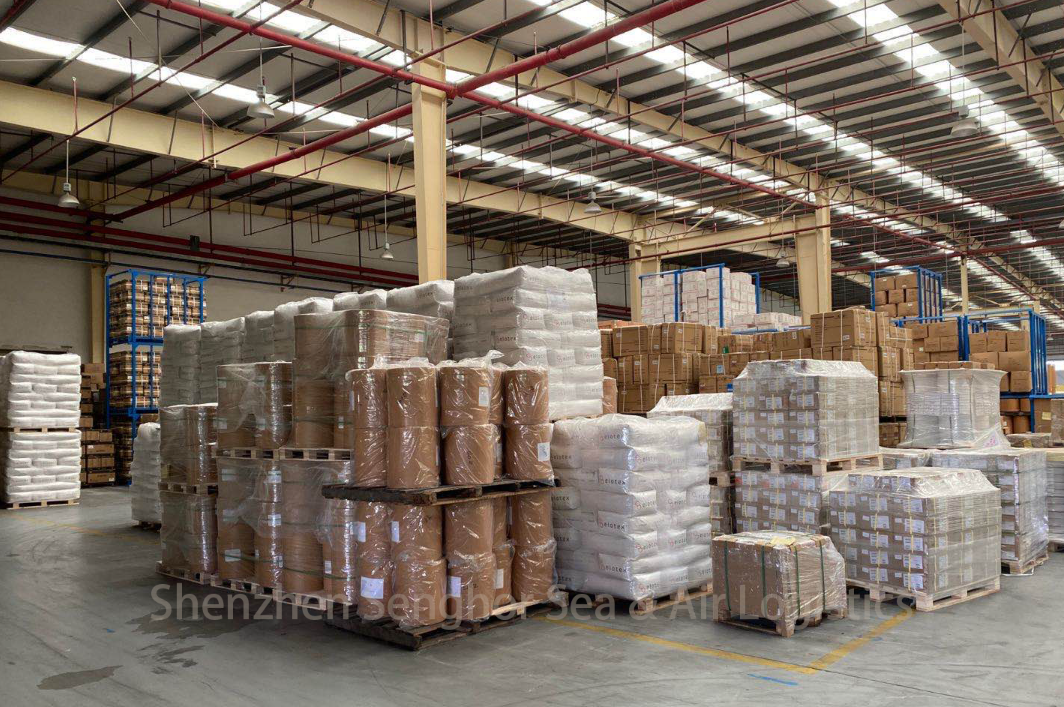
Senghor Logistics (https://www.senghorshipping.com/contact-us/) operates a specialized consolidation warehouse near Yantian Port spanning 18,000 square meters, supported by a network of partner facilities positioned near major commercial shipping hubs across China. When suppliers dispatch cargo, receiving teams sort incoming inventory by stock-keeping unit and final destination requirements. Providing temporary storage buffers allows varied product batches to arrive safely without incurring premature storage surcharges. This controlled holding environment allows logistics managers to aggregate complete commercial orders before issuing formal shipping releases, eliminating the risk of piecemeal international deliveries. Beyond basic inventory storage, receiving hubs provide critical quality assurance checks before cargo enters transit corridors. Warehouse staff inspect incoming cartons for physical damage, verify item quantities against official purchase documentation, and confirm that supplier package dimensions match declared freight metrics. Identifying discrepancies at origin prevents costly transit disputes and destination port delays. When cargo requires special handling or temperature-controlled packaging, warehouse personnel isolate specific lots within designated storage zones. This structured staging environment ensures that every sub-lot within a consolidated shipment meets destination entry specifications prior to container loading operations. Packaging Optimization and Label Standardization Once inventory arrives at the central holding hub, physical cargo preparation ensures safe transit and compliance with destination regulations. Loose or unevenly stacked cartons provided by individual suppliers can compromise container space utilization and increase the risk of product damage during transit. Furthermore, inconsistent carton markings or missing regional compliance labels regularly result in customs holds at port entries. Logistics teams evaluate carton integrity upon arrival, reinforcing weak packaging and repacking loose goods into consolidated pallet configurations.
Structural compression techniques optimize overall shipment volume, directly lowering total billable space requirements. Concurrently, facility handlers apply unified master shipping marks and destination-specific barcode labels required by commercial receivers and fulfillment networks. Performing these standardized physical adjustments at the China warehouse phase prevents administrative holds, reduces customs inspection delays, and ensures that consolidated shipping from China enters destination channels without regulatory compliance issues. In addition to physical consolidation, standardized documentation plays a central role in simplifying border clearance processes. Receiving facilities generate unified packing lists and commercial invoices that reflect the full contents of the consolidated container while maintaining individual supplier tracking references. This systematic data aggregation allows customs authorities to inspect clear, comprehensive manifest records rather than navigating fragmented filing sets. By harmonizing physical packaging standards with digital documentation, consolidated cargo moves through origin export procedures and container terminal loading queues with minimal operational disruption. Destination Clearance and Multi-Terminal Distribution The operational benefits of consolidated transport extend through final customs clearance and last-mile delivery. When consolidated cargo arrives at the destination sea port or airport terminal, the shipment clears customs under a single master bill of lading, significantly reducing administrative paperwork and import processing overhead. Following border clearance, the container moves directly to a local deconsolidation terminal where handlers break down the cargo into its original sub-lot allocations according to commercial instructions. Senghor Logistics coordinates multi-terminal distribution directly from the deconsolidation point, dispatching sorted inventory simultaneously to Amazon fulfillment centers, commercial brick-and-mortar storefronts, and private enterprise storage facilities. Managing multi-point final delivery under a unified master transport order eliminates the need for secondary local transfer hubs or third-party regional re-shipping providers. Importers maintain continuous tracking visibility throughout transit while avoiding duplicate handling markups across each terminal channel. Advanced routing systems streamline destination handoffs by organizing sub-lots according to final delivery priority and carrier schedules. Hazardous or oversized items receive specialized last-mile routing, while standard carton inventory moves directly onto automated distribution fleets. Operating an integrated distribution framework reduces total transit times from port clearance to final shelf placement. By keeping final-mile logistics unified under one management umbrella, commercial importers eliminate communication gaps between international carriers and domestic freight handlers, maintaining strict delivery schedules across diverse regional markets. Sustained Business Growth Through Logistics Integration For expanding commercial enterprises, maintaining structured supply chain execution provides a direct path toward scaling retail operations and protecting working capital. Relying on fragmented shipping methods leaves growing businesses vulnerable to recurring bill-of-lading surcharges, uncoordinated port arrival times, and complex multi-carrier tracking management. Combining vendor orders into a single, managed transport stream converts uncoordinated purchasing activities into a predictable freight framework. Integrating top-rated consolidated shipping from China services empowers small and medium-sized enterprises to achieve competitive freight economics previously reserved for large-scale importers. Systematic cargo processing--supported by structured receiving buffers, standardized carton prep, and streamlined final-mile distribution--builds long-term supply chain reliability. Businesses seeking to refine multi-vendor import strategies can evaluate consolidated shipping from China services options by detailing current vendor counts, total cargo volumes, and destination delivery requirements at https://www.senghorshipping.com/.
Source :Shenzhen Senghor Sea & Air Logistics Co., Ltd.
This article was originally published by IssueWire. Read the original article here.
More News












Recommended

YOUR NEWS, OUR NETWORK.
Do you have Great News you want to tell the world?
Be it updates about your business or your community, you can make sure that it’s heard by submitting your story to our network reaching hundreds of news sites across 6 verticals.